Paper vs Plastic: Which is Better for Premium Packaging?
Premium packaging is no longer a simple wrapper. Today, it plays a powerful role in shaping brand identity, customer perception, and the overall unboxing experience. Consumers judge quality the moment they see and touch the packaging. For many brands, this ‘‘first touch’’ elevates or breaks the product’s perceived value.
As consumer expectations evolve, brands face a pressing question: Should premium products rely on paper packaging or plastic packaging? The debate is intense, especially as sustainability becomes a deciding factor for modern buyers. Luxury shoppers expect visually stunning packaging, but they also want brands to act responsibly.
Both materials offer unique advantages, but not all packaging types meet the expectations of luxury brands. This blog breaks down the comparison in detail, helping you choose the right fit for premium packaging in your industry supported by trusted manufacturers like Edicon Paper, known for delivering world-class paper board solutions.
What Defines Premium Packaging Today?
Premium packaging goes beyond aesthetics. It delivers functionality, durability, and a brand-first experience that communicates value the moment customers hold the product. In a crowded marketplace, packaging becomes a silent expression of quality, trust, and exclusivity.
Luxury packaging focuses on tactile pleasure and storytelling. Every layer, texture, color, and finish enhances emotional connection. Today’s consumers equate “premium” with both elegance and environmental responsibility.
Key Elements of Premium Packaging
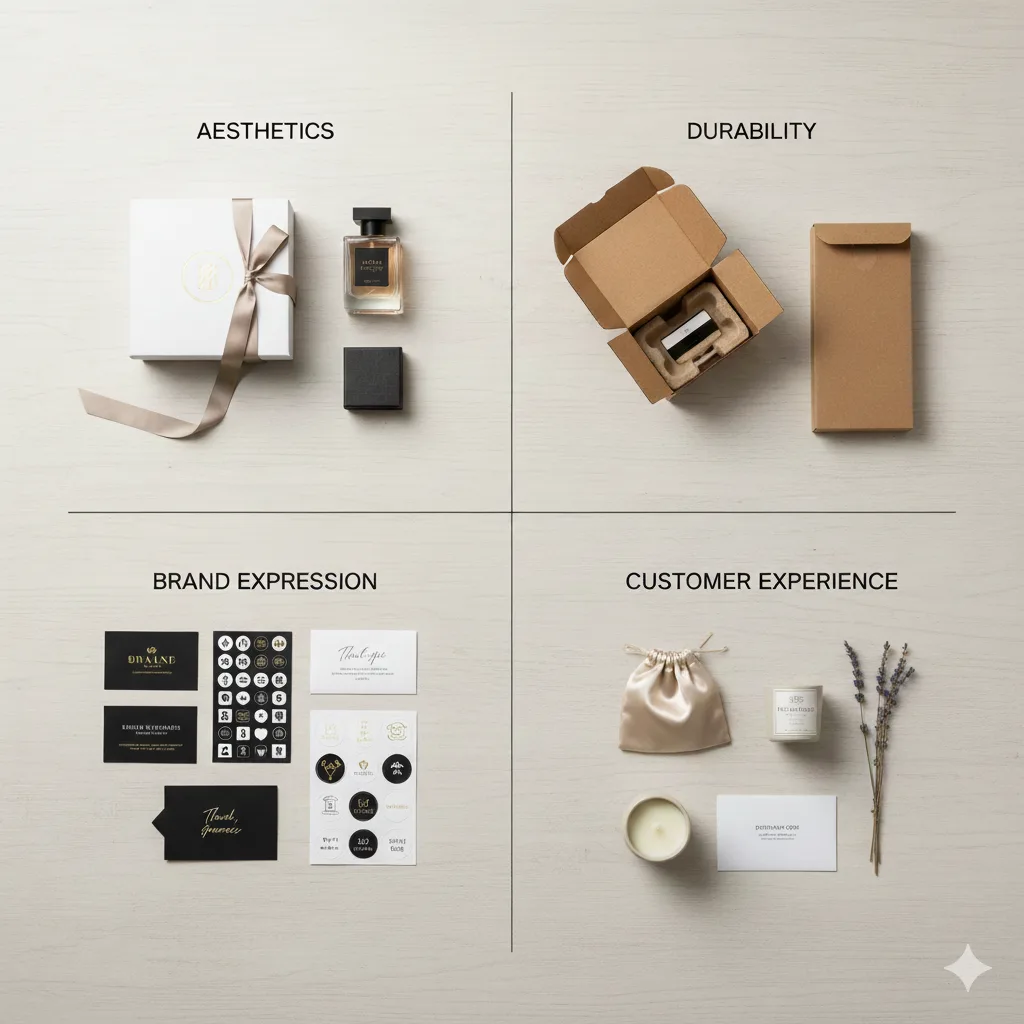
Aesthetics: Visual harmony, high print resolution, accurate colors, and premium finishes like matte, gloss, foil, embossing, and soft-touch coatings.
Durability: Premium items require packaging that protects against impact, climate exposure, and transportation risks.
Brand Expression: Packaging should convey the brand’s identity minimal, bold, eco-centric, or luxury-driven without compromising structural integrity.
Customer Experience: The unboxing process should feel deliberate and enjoyable. Premium packaging adds layers, textures, and thoughtful design elements to heighten the moment.
With rising environmental awareness, premium packaging also integrates eco friendly packaging principles and sustainable packaging solutions, making sustainability part of its luxury appeal.
What Is Paper Packaging in Today’s Market?
Paper packaging includes kraft paper, duplex and triplex boards, rigid paperboard, corrugated mailers, folding cartons, and high-end textured papers used in luxury packaging. With advancements in printing technology and coating options, paper has become one of the most flexible materials for premium design.
Premium paperboards allow brands to explore creative structural concepts magnetic boxes, drawer-style rigid boxes, hinged lids, and intricate die-cuts that elevate the final experience.
Why Premium Brands Prefer Paper
Paper offers natural beauty, texture, and warmth. Its organic feel combined with versatile printing possibilities makes it ideal for luxury-driven designs. Paper is also biodegradable and widely recyclable, supporting the shift toward environmentally friendly packaging.
Industries Using Premium Paper Packaging
• High-end apparel & accessories
• Cosmetics & beauty products
• Gourmet foods and beverages
• Luxury gifting sets
• Electronics and boutique gadgets
Paper packaging delivers a refined, stylish, and sustainable aesthetic, making it a top choice in these sectors.
Advantages of Paper Packaging
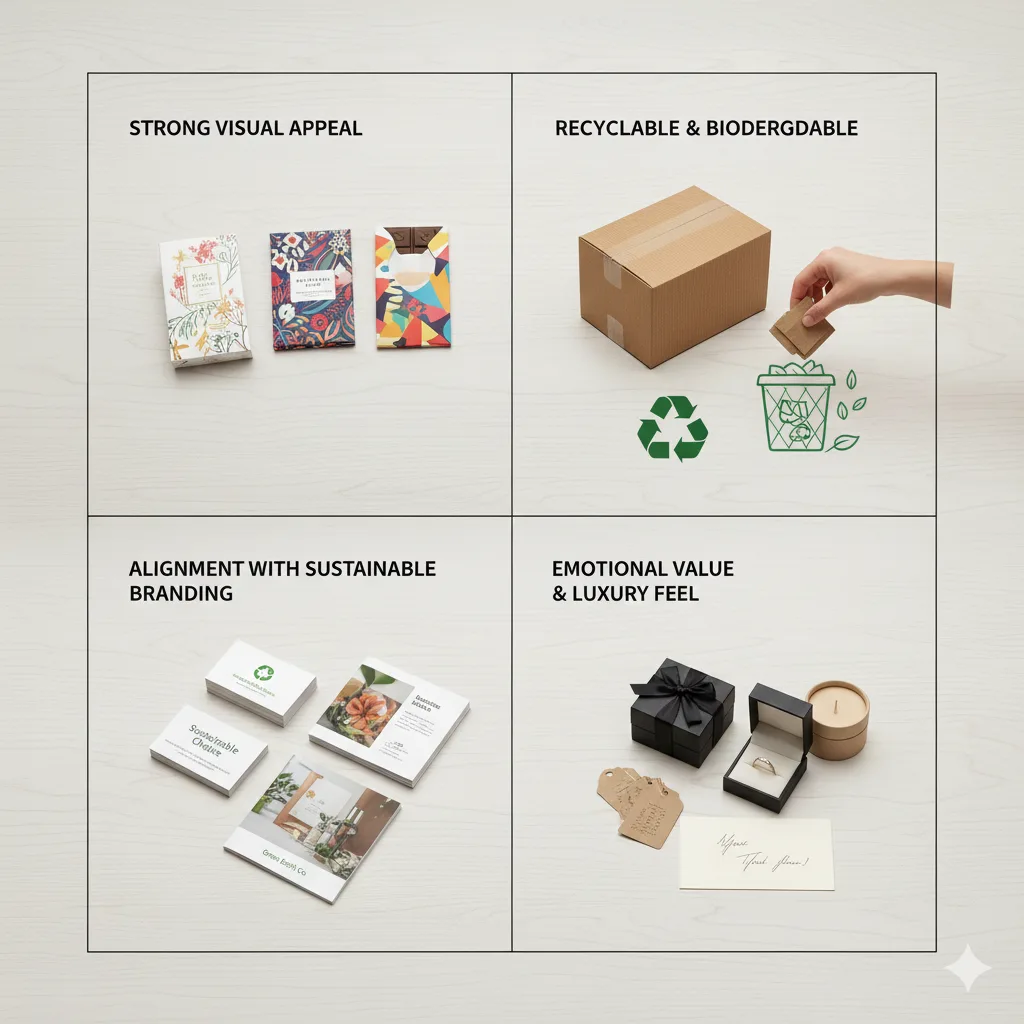
1. Strong Visual Appeal
Paper supports premium printing techniques embossing, debossing, foiling, UV coatings, soft-touch laminations enhancing the overall luxury feel.
2. Recyclable & Biodegradable
Eco-conscious consumers prefer materials that decompose naturally. Paper recycling systems are well-established worldwide, making disposal and reuse simple.
3. Alignment With Sustainable Branding
Brands adopting sustainable packaging solutions gain stronger customer trust. Paper sends a clear message that the brand values environmental responsibility.
4. Emotional Value & Luxury Feel
Paper’s tactile richness and matte elegance create an emotional connection. High-quality paperboards communicate luxury more effectively than most plastic alternatives.
Limitations of Paper Packaging
1. Limited Moisture Resistance
Unless coated or laminated, paper can weaken when exposed to moisture.
2. Lower Durability
Paper is more prone to tearing, crushing, or warping, especially during rough transport.
3. Higher Cost for Premium Grades
Luxurious rigid boards, textured finishes, and specialty coatings increase production costs.
What Is Plastic Packaging in Premium Markets?
Plastic packaging includes PET, HDPE, LDPE, PP, PVC, and acrylic-like materials used in high-end skincare bottles, electronics cases, luxury product displays, and protective packaging.
Plastic is valued for its forming flexibility, strength, transparency, and ability to create complex structures.
Why Plastic Is Still Common in Premium Packaging
Its protective performance and visual clarity make plastic indispensable for certain premium items. It allows brands to create sleek, glass-like finishes without the fragility of actual glass.
Industries Relying on Premium Plastic Packaging
• Perfume & cosmetic bottles
• Electronics
• Food & beverage products
• Healthcare & pharmaceuticals
• Personal care accessories
Plastic’s high transparency enhances product visibility boosting shelf appeal and consumer confidence.
Advantages of Plastic Packaging
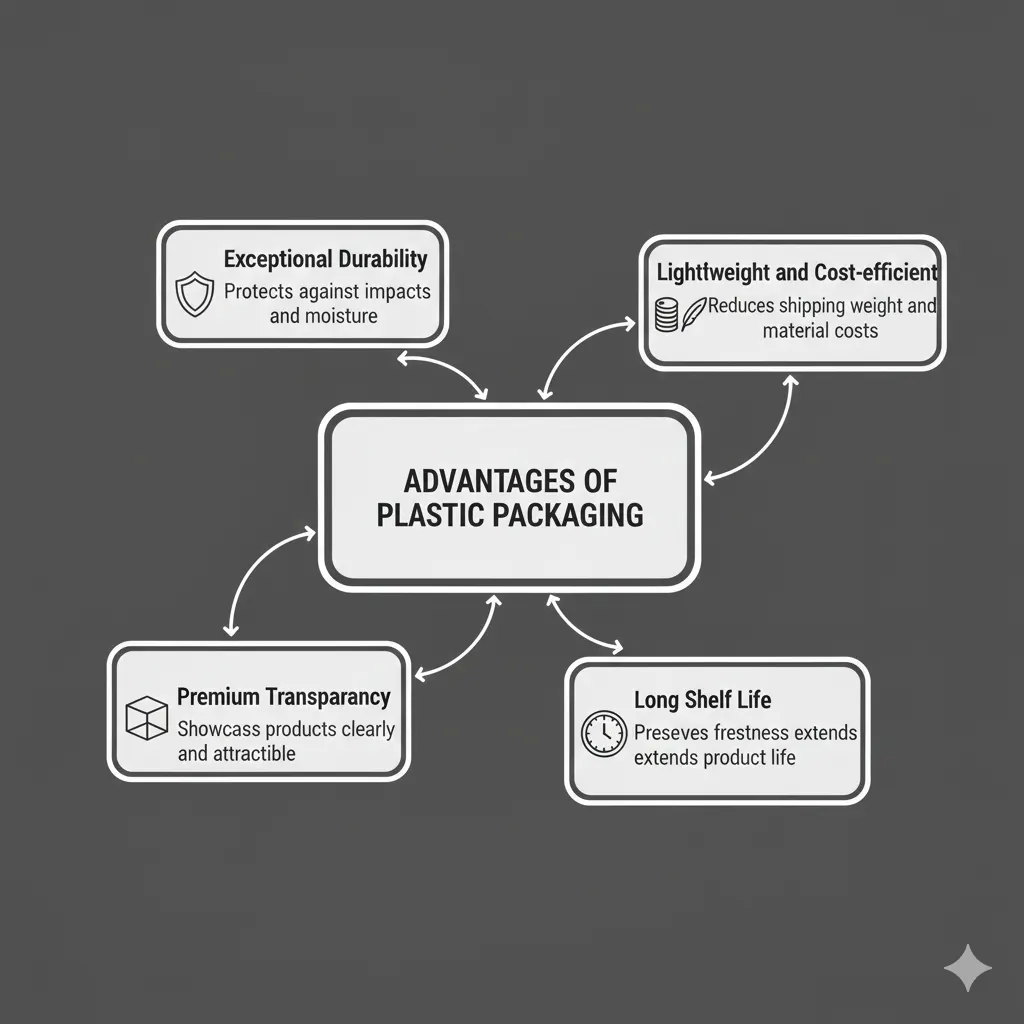
1. Exceptional Durability
Plastic withstands moisture, pressure, impact, and harsh transportation conditions extremely well.
2. Lightweight and Cost-efficient
A lower shipping weight reduces logistics costs. For large-scale manufacturing, plastic molds also become highly economical.
3. Long Shelf Life
Barrier properties ensure products especially food, cosmetics, and medicines stay fresh longer.
4. Premium Transparency
High-clarity plastics give a polished, glass-like appearance ideal for luxury items.
Limitations of Plastic Packaging
1. Environmental Concerns
Plastic waste is a major global challenge due to slow decomposition.
2. Recycling Limitations
Different plastic resins require different recycling processes. Not all regions have proper facilities.
3. Perception Challenges
Luxury buyers often prefer materials that convey sustainability. Plastic may reduce perceived value unless clearly labelled as recyclable or eco-modified.
Environmental Comparison: Paper vs Plastic
1. Carbon Footprint
• Paper has a higher production footprint but decomposes naturally.
• Plastic has lower manufacturing emissions but creates long-term environmental damage.
2. Recycling Efficiency
• Paper is easier to recycle consistently.
• Plastic recycling varies by resin type and infrastructure.
3. Decomposition
• Paper breaks down within months.
• Plastic takes decades unless it is bio-based.
4. Eco friendly Packaging Trends
• Mushroom-based packaging
• Bagasse molded fiber
• Biodegradable plastics
• Recycled paper composites
• Plant-based biopolymer coatings
Which Is More Cost-Effective?
Paper Packaging Cost Factors
Premium papers, advanced print finishes, rigid box engineering, and intricate die-cuts increase cost but elevate brand value.
Plastic Packaging Cost Factors
Mold development, resin types, product shapes, finishing methods, and sealing equipment influence final pricing. In larger quantities, plastic tends to be more economical.
What Do Consumers Prefer Today?
Consumers increasingly prioritize brands using eco-friendly packaging materials. Sustainability strongly influences purchase decisions, especially in the premium segment.
Key Consumer Insights
• Over 70% prefer recyclable or biodegradable packaging
• Eco friendly materials strengthen brand trust
• Luxury customers link sustainability with authenticity
• Plastic is tolerated when hygiene or product safety is essential
Which Material Works Best Across Industries?
Cosmetics & Skincare
Paper: for outer boxes
Plastic: for bottles, pumps, tubes
Luxury Clothing & Accessories
Paper: rigid boxes, tags
Plastic: protective covers, internal supports
Electronics
Paper: manuals, trays, boxes
Plastic: shock-absorbing casing
Food & Beverages
Paper: bakery, gifting, dry items
Plastic: liquids, airtight freshness solutions
The Future of Premium Packaging
The future is hybrid marrying the beauty of paper with the strength of plastic. Brands are exploring customized blends like recycled plastics inside premium rigid paper shells, plant-based coatings, and biodegradable alternatives.
Smart packaging is also emerging, integrating QR codes, NFC tags, authenticity verification, and traceability features.
The move toward environmentally friendly packaging ensures premium packaging evolves without sacrificing luxury.
Edicon Paper Powering the Future of Premium Paper Packaging
Premium packaging relies heavily on the quality of the materials used, and this is where Edicon Paper plays a crucial role. As a leading manufacturer and supplier of high-quality duplex and triplex boards, Edicon Paper provides the foundation for durable, vibrant, and sophisticated packaging across global markets.
Their product range includes grey-back and white-back duplex boards available in multiple GSM options 120, 180, 250, 300, and 350 ensuring the right balance of strength, printability, and performance. These boards excel in offset printing, folding cartons, protective packaging, and retail displays, making them ideal for brands seeking consistency and premium finish.
Edicon Paper’s signature Iconic Series brings added specialization to modern packaging needs. Variants like Iconic Ocean, Iconic Era, Iconic Crema, Iconic Velvet, and Iconic Kraft Back offer unique advantagesmoisture resistance, velvety smoothness, rich textures, and natural kraft aesthetics for eco-conscious brands. This level of customization allows businesses to select materials that align perfectly with their structural, visual, and sustainability requirements.
With such a versatile and performance-driven lineup, Edicon Paper empowers brands to elevate their packaging while maintaining durability, luxury, and environmental responsibility.
Find the Right Packaging Choice
Conclusion
Choosing between paper packaging and plastic packaging for premium packaging depends on the product, brand personality, environmental goals, and customer expectations.
Paper stands out for elegance, sustainability, and emotional value backed by trusted manufacturers like Edicon Paper, who deliver the precision and quality that premium brands demand.
Plastic, on the other hand, offers unmatched durability, clarity, and long-term protection.
For many brands, the most practical choice is a balanced hybrid approach, combining aesthetic sophistication with functional performance.
Ultimately, your packaging should elevate your product, reinforce your brand story, and satisfy the growing expectations of eco-conscious premium consumers.
Frequently Asked Questions About Packaging
Q1: Which packaging is more eco-friendly paper or plastic?
Paper is generally more eco-friendly due to its recyclability and biodegradability. However, when considering carbon footprint and production energy, the answer can vary depending on material grade and lifecycle.
Q2: Is plastic packaging still used in luxury products?
Yes. Premium cosmetics, electronics, and personal care brands frequently use plastic for protection, clarity, and durability especially where transparency or airtight sealing is required.
Q3: Can paper packaging replace plastic completely?
Not entirely. Paper cannot match plastic in moisture resistance, durability, and lightweight performance. Both materials have unique strengths and limitations.
Q4: What is the most sustainable packaging solution for premium brands?
The most sustainable approach depends on the product type. Many brands choose hybrid packaging or integrate recycled materials to balance luxury and sustainability.