What Makes Paper Board Suitable for Premium Packaging?
Premium packaging shapes how customers see a product before they even open it. It must look refined, protect the item, run well on packing lines, and remain consistent across every batch. Paper board meets these needs through a useful balance of stiffness, print quality, and design flexibility.
The terms “paper board” and “paperboard” are often used in the same way, although paperboard is the more common industry spelling. This guide explains its main properties, common grades, luxury packaging uses, sustainability factors, and the points to check before choosing a supplier.
What Is Paper Board, and Why Is It Used in Packaging?
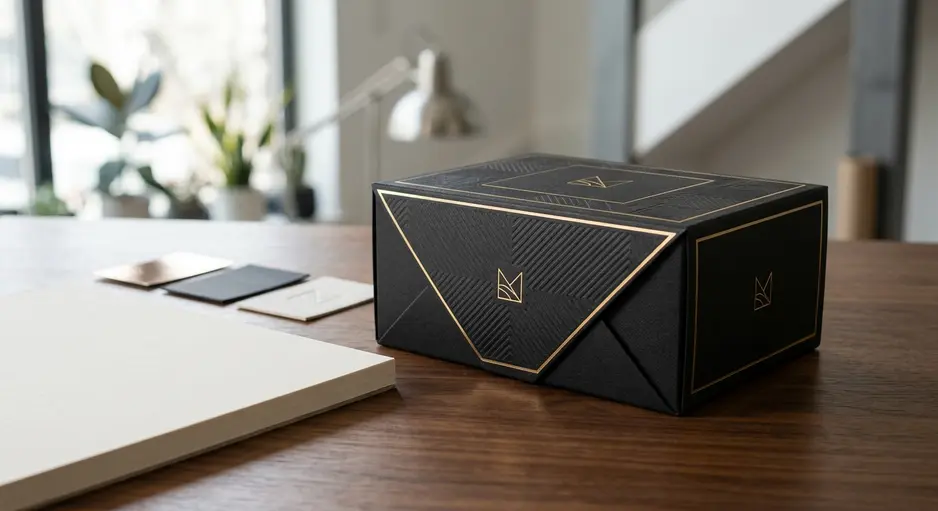
Paperboard is a compact, fiber-based material that is thicker and usually stiffer than standard printing paper. Manufacturers can adjust its fiber mix, coating, thickness, shade, and surface properties for different packaging needs.
Paper Board vs. Corrugated Cardboard
“Cardboard” is a broad, informal term. Paperboard normally refers to a solid sheet used for folding cartons, sleeves, and rigid boxes. Corrugated cardboard has one or more fluted layers between flat liners. Its layered structure is common in shipping cases and transit packaging.
A board’s suitability depends on more than thickness. Fiber composition, grain direction, stiffness, moisture level, and box design all affect its performance.
Common Paperboard Grades
- SBS or SBB: Solid bleached grades known for a clean appearance and smooth printing surface.
- FBB: Folding box board that offers good stiffness at a relatively efficient weight.
- SUS or CUK: Unbleached kraft-based grades used when strength or a natural finish is important.
- Recycled board or WLC: Economical grades with surface and strength properties that vary by specification.
- Greyboard or chipboard: Dense material commonly used as the core in rigid box manufacturing.
No single grade is best for every product. The right packaging paper board depends on the desired appearance, box structure, printing method, product weight, compliance needs, and budget.
What Makes Paper Board Suitable for Premium Packaging?
High Stiffness and Structural Stability
Stiffness helps a carton hold its shape during packing, transport, and shelf display. Strong panels resist bending and create clean edges, which support a polished appearance. A durable paperboard structure can also improve stacking and protect the product from light handling pressure.
Stiffness is not the same as thickness. Two sheets with the same thickness can perform differently due to their fiber mix and construction. Grain direction also matters because it affects folding, panel strength, and resistance to warping.
A Smooth, Printing-Compatible Surface
A consistent surface supports sharp text, accurate logos, smooth gradients, and detailed product images. Brightness, shade, ink holdout, and surface smoothness all influence the final result.
Depending on the grade, printing-compatible paperboard may work with offset, flexographic, or digital printing. A print trial is still important because ink systems, press settings, and surface treatments can produce different results.
Compatibility With Premium Finishes
A coated paper board gives designers many ways to create visual and tactile appeal. Suitable grades may support:
- Foil stamping
- Embossing and debossing
- Spot UV finishes
- Soft-touch or tactile coatings
- Lamination and specialty varnishes
- Die-cut windows and detailed cutouts
These effects can help a brand create clear visual differences between product ranges. The surface coating, foil, adhesive, and press settings must be tested as a complete system.
Clean Cutting, Creasing, and Folding
Premium boxes need accurate folds and neat corners. Good converting performance reduces cracking, splitting, and uneven panels. The board’s caliper, grain direction, moisture, coating flexibility, and crease design must work together to achieve a clean result.
How Does Paperboard Improve Luxury Product Packaging?
Folding Cartons for Cosmetics and Personal Care
Cosmetic packaging applications often require fine print, rich color, and precise finishing. For example, a skincare brand can use coated folding carton board with foil details and an embossed logo. Color coding can separate product variants while keeping the overall identity consistent.
This approach works well for fragrances, makeup, skincare, wellness products, and personal care items. The box can feel refined without becoming bulky or difficult to pack.
Rigid Boxes for High-Value Products
Rigid boxes usually contain a dense board core wrapped with printed, textured, or specialty paper. They are widely used for jewelry, electronics, gift sets, confectionery, and luxury accessories.
The solid structure adds a sense of permanence and improves the unboxing experience. Paper board for luxury packaging can also support inserts, magnetic closures, ribbons, or fitted compartments. Mixed-material features should be reviewed if easy recycling is a goal.
Branded Retail and FMCG Packaging
Premium paper board for branded products helps items stand out on busy shelves. Strong color reproduction, readable text, tactile finishes, and stable panels make products easier to notice and understand.
Premium does not have to mean excessive material. Well-engineered FMCG packaging solutions can feel high-end while using an efficient box size and board grade.
How Do You Choose the Right Paperboard Grade?

Match GSM and Thickness to the Product
GSM means grams per square metre and describes the material’s mass. Caliper describes its physical thickness. Boards with the same GSM may have different thickness and stiffness because their fibers and manufacturing methods differ.
For this reason, there is no universal GSM for premium packaging. Paper board thickness options should be assessed alongside carton size, product weight, board grade, and box structure. Prototype testing is more reliable than choosing from GSM alone.
Review Surface and Print Requirements
Before selecting a grade, define the desired visual result. A useful checklist includes:
- White, tinted, or natural appearance
- Printing process and ink system
- Required color accuracy and consistency
- One-side or two-side coating
- Foil, embossing, varnish, or lamination
- Resistance to rubbing and scuffing
Consider Moisture and Barrier Performance
Standard paperboard is not waterproof. Humidity or direct contact with moisture can weaken it and cause warping. Moisture-resistant paper board may use treatments, coatings, laminates, or functional barriers to improve performance.
These additions can affect repulpability and local recycling acceptance. Packaging for food, cosmetics, or pharmaceutical products may also need specific safety and migration checks. Always confirm the rules for the intended product and market.
Request Samples and Run Trials
- Share the product’s dimensions, weight, and storage conditions.
- Confirm the box style and converting equipment.
- Request technical data sheets and sample sheets.
- Create a blank structural prototype.
- Run print, crease, drop, compression, and transport trials as needed.
- Approve the final specification before placing a bulk order.
Paper board sheets for custom boxes should be tested under realistic conditions. A sample that looks good in an office may behave differently on a production line or in a humid warehouse.
Is Paper Board a Sustainable Packaging Material?
Renewable Fiber and Recyclability
Paperboard is made from fiber and may be recyclable where suitable collection and processing systems exist. However, it should not be described as automatically or universally eco-friendly.
Coatings, adhesives, plastic windows, foil, and laminates can affect how recyclable paper packaging performs in a recovery system. Brands should check local acceptance and ask for evidence about repulpability where relevant.
Responsible Fiber Sourcing
FSC or PEFC chain-of-custody claims can help support responsible sourcing and traceability. Buyers should verify that any claim applies to the specific product being ordered rather than relying on a general company statement.
Guidance from organizations such as TAPPI, CEPI, FSC, PEFC, and ISO can also help procurement teams understand testing terms, sourcing claims, and environmental standards.
Reduce Material Without Losing Performance
Sustainable paper board packaging solutions begin with efficient design. Brands can avoid oversized boxes, reduce unnecessary components, and choose a high-stiffness grade that meets performance needs at an efficient basis weight.
Other useful steps include limiting mixed materials, designing parts for easier separation, and using lower-impact finishes where they meet technical needs. Environmental claims should be supported by supplier documents, recognized certifications, or relevant life-cycle data.
What Should You Test Before Ordering?
Technical Performance Tests
The required tests will vary by application, but common checks include:
- GSM and caliper
- Bending stiffness and dimensional stability
- Moisture content and Cobb water absorption
- Surface smoothness, brightness, shade, and opacity
- Internal bond or ply strength
- Crease, fold, and print adhesion performance
- Ink rub and scuff resistance
Not every test is needed for every box. Specifications should reflect actual production, storage, transport, and retail conditions.
Packaging Performance Trials
Depending on the product, converters may run drop, compression, vibration, abrasion, and shelf-life tests. Temperature and humidity conditioning can reveal issues that do not appear in normal indoor conditions. Assembly-line trials can also confirm whether cartons erect, fill, and close at the required speed.
How to Prevent Common Failures
- Cracked folds: Check grain direction, crease geometry, moisture, and coating flexibility.
- Warped sheets: Improve storage conditions and humidity control.
- Color variation: Set approved print standards and clear tolerances.
- Scuffed surfaces: Review varnish, handling, packing, and transport protection.
- Weak panels: Reassess stiffness, box structure, and product weight.
How Do You Select a Paper Board Manufacturer or Supplier?

Check Quality Consistency and Support
A reliable paper board manufacturer or supplier should provide clear grade recommendations, technical data sheets, samples, traceability records, and defined quality controls. Buyers should ask how the company manages variations in shade, thickness, moisture, and stiffness across repeat orders.
Technical support is also important. A supplier should help investigate cracking, warping, print problems, or other failures rather than treating the board as a simple commodity.
Questions for Bulk and Export Orders
When assessing a bulk paper board supplier for the packaging industry, ask:
- What are the minimum order quantities and lead times?
- Are custom sheet sizes available?
- How are sheets protected from humidity and edge damage?
- Which test reports and certifications can be supplied?
- How are specifications maintained across repeat orders?
- What pallet and export packing methods are used?
- Which shipping documents and Incoterms are supported?
For export quality paper board for packaging, confirm moisture protection, container-loading methods, country-specific documents, complaint procedures, and product compliance. An international paper board exporter should be able to explain these points clearly and support each claim with current records.
Brands and converters can contact Edicon Paper Product to discuss available grades, sheet sizes, technical specifications, order quantities, and samples for their intended packaging application.
Paper Board For Premium Packaging
Choose Performance, Not Thickness Alone
Paperboard supports premium packaging through stiffness, printability, clean converting, and broad finishing options. Yet success depends on selecting the right grade for the product rather than simply ordering the thickest sheet.
Before buying, compare samples, technical data, print and converting results, environmental documents, and supplier reliability. Careful testing leads to better shelf appeal, fewer production problems, and more consistent packaging across every order.
Frequently Asked Questions
1. Is paper board the same as cardboard?
Cardboard is an informal umbrella term. Paperboard is usually a compact fiber-based sheet used for cartons and rigid packaging, while corrugated cardboard contains fluted layers.
2. What GSM is best for premium boxes?
There is no single best GSM. Product weight, carton size, grade, caliper, stiffness, grain direction, and box structure must be considered together.
3. Is coated paper board recyclable?
It may be recyclable, depending on the coating, laminate, attachments, and local recovery system. Verify regional acceptance and repulpability rather than making a broad claim.
4. Can paperboard be used for rigid boxes?
Yes. Dense greyboard or similar material is commonly used as the structural core, then wrapped with printed or decorative paper.
5. Which grade offers the best print quality?
Smooth coated virgin-fiber grades, such as SBS and certain FBB grades, often produce strong print results. The final choice should be confirmed through press trials.